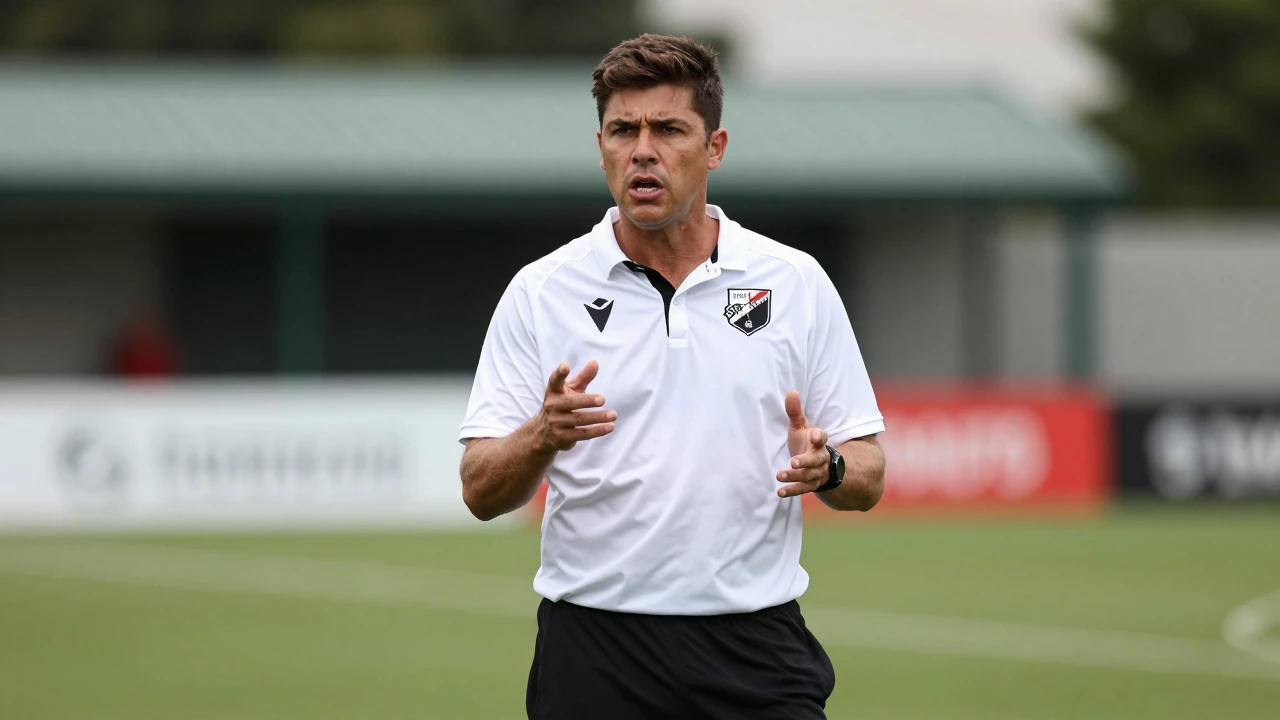

The countdown has begun as the All Whites, New Zealand's men's football team, gear up for their long-awaited return to the FIFA World Cup 2026. After a 16-year hiatus from the global stage, their qualification not only represents a monumental achievement for the players and coaching staff but also ignites a renewed passion for football across the country. The implications of their return extend far beyond the pitch, creating excitement and hope among fans and stakeholders alike.
A Long Road to Qualification
The journey to the FIFA World Cup 2026 has been anything but simple for the All Whites. Under the management of Danny Hay, the team faced a challenging qualification process, competing against formidable opponents in the Oceania Football Confederation (OFC).
After a series of intense matches, the All Whites secured their spot in the World Cup through a combination of strategic gameplay, teamwork, and resilience. Their ability to perform under pressure was exemplified in critical moments during qualifying rounds, where they showcased both defensive solidity and attacking flair.
- Key victories included:
- Dominating performance against Tahiti (5-0)
- A hard-fought win over Fiji (2-1)
- A crucial draw with New Caledonia (1-1), securing their overall position
The squad has seen a blend of seasoned veterans and emerging talents, solidifying their tactical versatility and depth. The return of experienced players such as Chris Wood and the emergence of younger stars like Ben Waine have been pivotal in their qualification journey, ensuring they are well-prepared for the challenges ahead.
The Significance of the All Whites' Return
For New Zealand, the All Whites' qualification for the FIFA World Cup is not just about football; it reflects a broader cultural significance. The national team's success on the global stage instills a sense of pride and unity among Kiwis, transcending regional and social divides.
This return to the World Cup also has economic implications, particularly in tourism and local business sectors. Increased international attention and the influx of fans can boost New Zealand’s economy, as seen during previous tournaments. Local businesses in host cities are gearing up for the expected surge in visitors, and sports authorities are keen to leverage this moment to promote football at grassroots levels.
Moreover, the All Whites’ participation inspires the next generation of players. Young athletes across the country now have role models to aspire to, encouraging more youth engagement in football. Grassroots initiatives are likely to receive a boost as excitement builds in the lead-up to the tournament.
Tactical Breakdown: What to Expect from the All Whites
With the FIFA World Cup 2026 approaching, tactical preparation will be crucial for the All Whites. Under Danny Hay's guidance, the team is expected to adopt a balanced approach that emphasizes both defensive resilience and attacking creativity.
Defensively, the All Whites have shown improvement, utilizing a solid backline led by experienced defenders like Winston Reid. Their ability to absorb pressure while maintaining composure will be essential against the high-caliber offenses they will face in the tournament.
Offensively, the combination of Chris Wood's aerial prowess and the speed of younger players such as Ben Waine could create dynamic attacking opportunities. Hay’s strategy may involve quick transitions and exploiting the flanks, allowing them to capitalize on counter-attacks.
- Key tactical elements to watch:
- Formation adaptability (4-3-3 vs. 4-2-3-1)
- Emphasis on set-pieces
- High pressing to regain possession quickly
Upcoming Opponents and Challenges
As the All Whites prepare for the FIFA World Cup 2026, they will face formidable opponents that will test their mettle on the world stage. Competing against teams with rich football histories, such as Brazil, Germany, and Argentina, the All Whites must be ready to rise to the occasion.
The nature of the tournament presents unique challenges, including: - Varying climates and playing conditions - Different styles of play from international teams - The pressure of global scrutiny and expectations
Each match will serve as a vital learning experience, allowing the All Whites to adapt and refine their approach. Their performance in these high-stakes encounters will be crucial in determining how far they can progress in the tournament.
Fan Reaction and Outlook
The anticipation surrounding the All Whites' return to the FIFA World Cup has ignited fervent enthusiasm among fans. Social media platforms are buzzing with excitement as supporters unite to rally behind their team. The hashtag #AllWhites2026 is gaining traction, showcasing a collective hope and belief in the squad's potential.
Local fan clubs are organizing viewing parties and events leading up to the tournament, fostering a sense of community and shared experience. This grassroots movement is vital in building momentum and support for the team as they embark on their World Cup journey.
- Key fan sentiments include:
- Pride in national representation
- Optimism about team capabilities
- Eagerness for community engagement and events
What's Next
As the All Whites prepare for the FIFA World Cup 2026, their focus will shift to intensive training camps and friendly matches that will serve as preparation for the tournament. The coaching staff will be keen to refine strategies, enhance team chemistry, and ensure that players are in peak condition.
The excitement surrounding their return is palpable, with fans eagerly awaiting the announcement of their group stage fixtures. New Zealand football is on the cusp of a new era, and the All Whites have the potential to make a significant impact on the world stage. With the right preparation and support, they will not only aim to compete but also to inspire future generations of footballers in New Zealand.