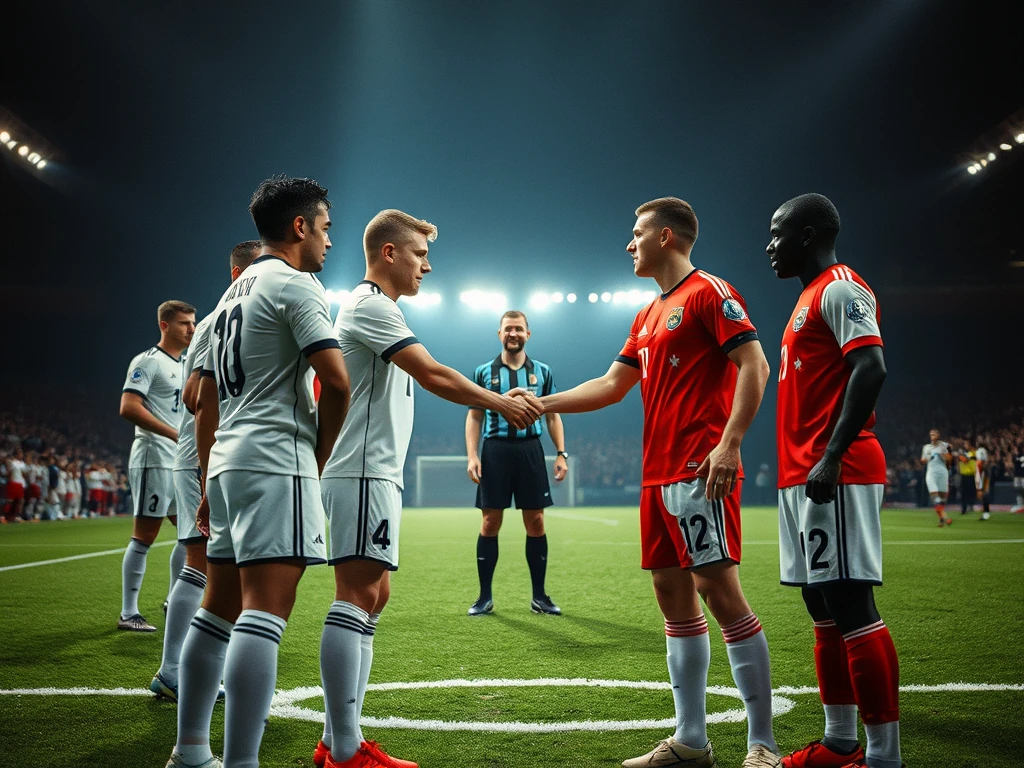
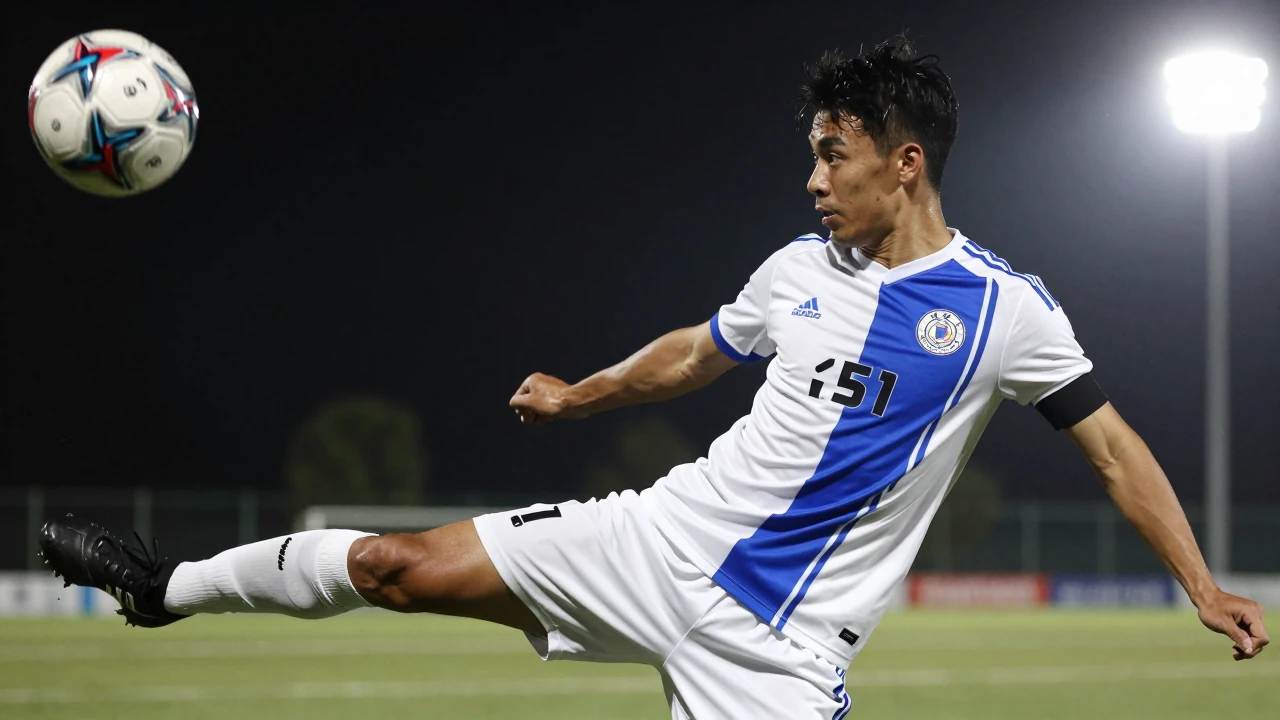
The anticipation is palpable as New Zealand's All Whites prepare for their third FIFA World Cup appearance in 2026. With captain Chris Wood and veteran defender Tommy Smith at the helm, the squad is not just a collection of players, but a blend of experience and youthful energy set to challenge on the world stage. This announcement signals a bold step in New Zealand's football journey, with aspirations of making a significant impact in a tournament that will feature 48 teams across Canada, Mexico, and the United States.
Squad Overview: A Mix of Experience and Youth
The 26-player roster features a mix of seasoned internationals and promising talent, reflecting New Zealand's commitment to developing football at all levels. Chris Wood, who has been a stalwart for the national team, leads the charge as the captain. His presence brings not only skill but also leadership experience crucial for a World Cup environment. Alongside him, Tommy Smith, who has played pivotal roles in previous campaigns, is poised to make history as one of the few players to represent New Zealand in three World Cups.
The squad also includes several emerging players who have made names for themselves in both local leagues and abroad. Expect to see young talents like Ben Waine and Liberato Cacace, who have been instrumental in their club performances, bringing fresh energy and creativity to the pitch. This blend of youth and experience is vital for New Zealand as they seek to compete against the world's best.
- Key players to watch:
- Chris Wood (Captain)
- Tommy Smith (Defender)
- Ben Waine (Forward)
- Liberato Cacace (Defender)
Tactical Breakdown: How New Zealand Plans to Compete
Coach Danny Hay faces the crucial task of crafting a tactical approach that maximizes the squad's strengths. New Zealand has traditionally employed a robust defensive strategy, and with experienced defenders like Smith anchoring the backline, expect a solid defensive setup. However, the team must evolve to incorporate more attacking flair, particularly against formidable opponents in the group stage.
The potential deployment of a 4-3-3 formation could allow the All Whites to adapt dynamically during matches. This formation would enable them to maintain defensive solidity while providing width and pace in attack, particularly through the flanks where players like Cacace excel. Midfield battles will be crucial, and the inclusion of players adept at both defending and transitioning to attack will be key to New Zealand's success.
What This Means for New Zealand Football
The inclusion of the All Whites in the FIFA World Cup 2026 is not just a sporting achievement; it represents a significant milestone for New Zealand football. Having previously qualified for the World Cups in 1982 and 2010, the 2026 tournament offers an opportunity to showcase the growth of the sport in the nation. Success on this global stage could bolster football’s profile in New Zealand, attracting new fans and aspiring players.
Moreover, qualifying for the World Cup reflects positively on the grassroots development initiatives that have been implemented over the last decade. With more youth programs and academies emerging, the future of New Zealand football looks promising. The national team's performance in this World Cup can serve as an inspiration for young players across the country, reinforcing the notion that they can aspire to compete at the highest levels.
The Wider Championship Picture: Global Context
As the All Whites gear up for their campaign, they will join a competitive field in the FIFA World Cup 2026. The expanded tournament format will see 48 teams competing, which presents both opportunities and challenges. New Zealand will likely face teams with a wealth of talent and experience, making it imperative to embrace a strong team ethos and resilience.
The All Whites will be drawn into a group that includes some of the world’s top footballing nations. Competing against teams with rich footballing heritages, such as Brazil, Germany, or France, will test New Zealand’s mettle and expose areas for growth. Success will require not just tactical discipline but also the ability to adapt and learn quickly throughout the tournament.
Fan Reaction and Outlook: A Nation Behind the Team
The announcement of the squad has ignited enthusiasm among New Zealand football fans. Social media platforms are buzzing with discussions about the players selected and the potential for memorable moments in the tournament. With the team’s previous World Cup experiences, supporters are hopeful that this squad has the capability to advance beyond the group stage, which would mark a historic achievement for the nation.
Fans are particularly excited to see Chris Wood lead the line, as he has consistently delivered for the national team. The anticipation of watching the All Whites compete at the highest level has sparked a wave of national pride, with many planning to support the team, whether from home or by traveling to the matches.
- Fan sentiments include:
- Excitement over Chris Wood's leadership
- Optimism for young talents like Ben Waine
- National pride as New Zealand returns to the World Cup stage
What’s Next
As the countdown to the FIFA World Cup 2026 begins, the All Whites will focus on finalizing their preparations. Upcoming friendly matches will provide a crucial opportunity to fine-tune tactics and build team chemistry ahead of the tournament. These matches will be vital for assessing player fitness and adapting the squad's tactics to ensure they can compete effectively against their group opponents.
The next few months will be pivotal for New Zealand football, as they rally support and engage with fans across the country. With the world watching, the All Whites have a chance to not only make their mark on the tournament but to inspire a new generation of footballers in New Zealand. The stage is set, and the All Whites are ready to embrace the challenge.