
A Paradigm Shift in New Zealand's Governance
In a bold move, David Seymour, the Deputy Prime Minister and leader of the ACT Party, has declared plans to reduce New Zealand's public service by 8,700 staff over the next three years. This significant reduction is more than just a numbers game; it signifies a shift in governance philosophy that prioritises efficiency and economic sustainability. The implications of this decision extend far beyond the immediate job losses, affecting public service delivery and immigration policies as the country approaches the FIFA World Cup 2026.
Seymour's announcement comes amid growing calls for reform in a public sector that many argue has become bloated and inefficient. The ACT Party's approach aims to streamline operations while simultaneously tackling the pressing issues of immigration, which have become a focal point of national debate. As New Zealand navigates a post-pandemic recovery, such policy shifts may define the country's trajectory in the coming years.
Key Details of the Public Service Cuts
The decision to cut 8,700 public service jobs is unprecedented in recent New Zealand history. The government's justification hinges on a need for fiscal prudence in light of economic challenges. Some key aspects of this policy include: - Restructuring: Departments will be streamlined to eliminate redundancies. - Focus on Core Services: Emphasis will be placed on essential services, potentially reducing the scope of initiatives that may be deemed non-essential. - Long-term Vision: The cuts are part of a broader strategy to create a more agile public service capable of responding to future challenges.
These reductions are not without controversy. Advocates argue that a leaner public service can operate more efficiently, while critics fear the loss of vital services and the impact on public sector employment. The balance between economic prudence and social responsibility will be a tightrope that Seymour must navigate carefully.
Immigration Policy Under the ACT Party
In conjunction with the public service cuts, Seymour has also proposed a new immigration policy aimed at addressing skill shortages in key industries. This policy is particularly pertinent as New Zealand gears up for the FIFA World Cup 2026, where there will be an increased demand for skilled workers to support tourism and hospitality sectors.
The proposed changes include: - Streamlined Visa Processes: Simplifying the application process for skilled migrants. - Targeted Recruitment: Focusing on sectors that are experiencing acute skill shortages, such as healthcare and construction. - Incentives for Temporary Workers: Offering benefits to attract temporary workers for the duration of the World Cup and beyond.
These immigration reforms are intended to bolster New Zealand's workforce while aligning with the country’s long-term economic goals. As the world watches New Zealand prepare for the FIFA World Cup, how these policies unfold could determine the nation's ability to host successfully.
Public Reaction and Societal Implications
The response to Seymour's announcements has been mixed, highlighting a divide in public opinion regarding the future of New Zealand's governance. Supporters of the ACT Party see the cuts and immigration reforms as a necessary step towards a more efficient government, while opponents express concern over the potential loss of jobs and the quality of public services.
Key points of public reaction include: - Support for Efficiency: Many believe that reducing the size of government will lead to better resource allocation and less waste. - Concerns Over Job Losses: Unions and public service advocates are worried about the implications for those losing their jobs and the overall morale within the public sector. - Immigration Fears: Some citizens are wary of increased immigration, fearing it may lead to competition for jobs and strain on public services.
As debates continue, the impact of these policies on New Zealand's social fabric will be closely monitored by both supporters and critics alike.
The Global Context: New Zealand and the FIFA World Cup 2026
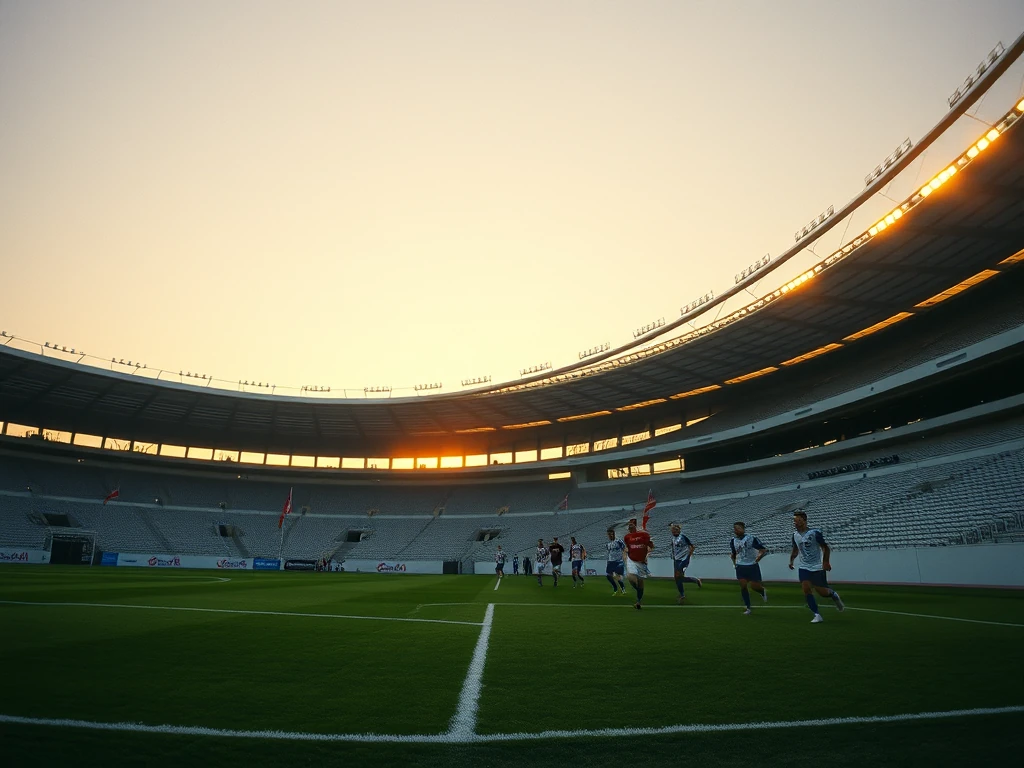
As New Zealand prepares to host the FIFA World Cup 2026, the implications of Seymour's policies take on an added dimension. The tournament is not just a sporting event; it is a chance for New Zealand to showcase itself on the global stage, enticing tourists and investors alike.
The effectiveness of the new immigration policy will be pivotal in ensuring that New Zealand can adequately staff the hospitality and infrastructure sectors during the tournament. Additionally, the public service cuts must be managed in a way that does not hinder the country’s ability to provide essential services to both residents and visitors.
New Zealand’s positioning in global football and tourism will depend heavily on how well these policies are implemented, especially in the lead-up to the World Cup. The government’s ability to balance fiscal responsibility with social needs will be tested like never before during this crucial period.
Looking Ahead: What’s Next for New Zealand?
As the dust settles on David Seymour's announcements, the focus will shift to implementation and the real-world impact of these policies. The next three years will be critical for New Zealand as it navigates these changes while preparing for the FIFA World Cup 2026.
For New Zealand to thrive, it will require a careful balancing act between economic reforms and public service needs. The decisions made today will set the stage for the country's future, influencing not just governance but the everyday lives of New Zealanders. As the nation moves forward, it will be essential for all stakeholders to engage in constructive dialogue to ensure that the benefits of such reforms are felt broadly across society.
New Zealand Hub