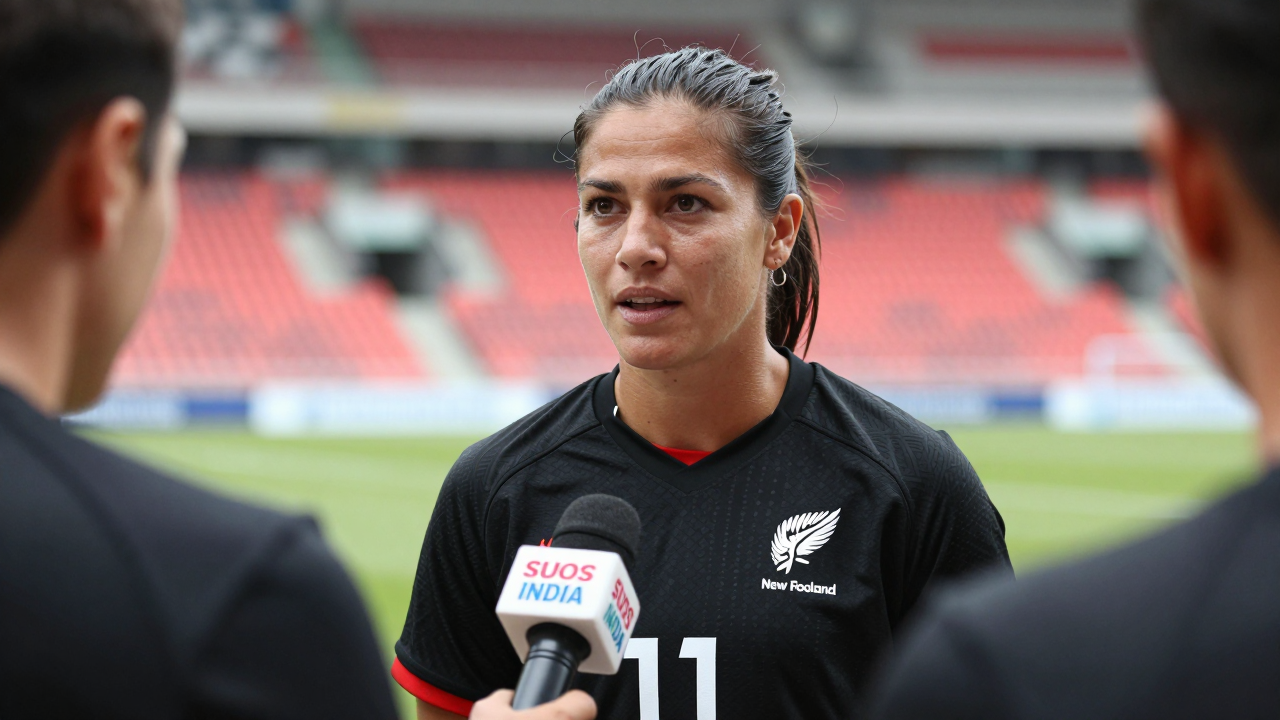
The Unlikely Rise of Tim Payne
Tim Payne, a defender for the All Whites, has recently found himself thrust into the limelight, not just for his performances on the pitch but for an unexpected surge in social media popularity. An influencer from Argentina sparked this phenomenon by rallying their followers to support the New Zealand player, leading to an avalanche of new fans for Payne. This intersection of football and social media illustrates how athletes can transcend their sport and become cultural figures, resonating with audiences worldwide.
The 2026 FIFA World Cup is just around the corner, and Payne’s newfound fame might be more than just a passing trend; it could be a pivotal moment for his career and for New Zealand football as a whole. As the team prepares for its upcoming matches, the spotlight on Payne could have broader implications, from merchandise sales to increased attention from sponsors.
What Tim Payne's Fame Means for the All Whites
For the All Whites, having a player like Tim Payne in the spotlight is a double-edged sword. On one hand, it can elevate the profile of the team and draw in new supporters, particularly younger fans who engage with social media platforms. On the other hand, the scrutiny that comes with fame can also add pressure to perform, especially during crucial matches leading up to the World Cup.
Payne's situation demonstrates the potential for footballers to leverage their popularity. As more fans engage with Payne online, it creates a unique opportunity for the All Whites to expand their audience. Engaging with fans through social media can foster a deeper connection, which is crucial for building a loyal supporter base.
The Impact of Social Media in Modern Football
Social media's role in sports has evolved dramatically over the past decade. Platforms like Instagram, Twitter, and TikTok allow players to connect with fans on a personal level, sharing insights into their lives beyond the pitch. Tim Payne's recent surge in followers exemplifies this change; he now has the chance to influence the conversation around New Zealand football and engage with fans in innovative ways.
- Personal Branding: Players can cultivate their image, showcasing their personalities and interests.
- Fan Engagement: Direct communication with fans can lead to increased loyalty and support.
- Sponsorship Opportunities: Increased visibility can attract brands looking for endorsements.
This shift towards personal branding and direct fan interaction means that players like Payne can become more than just athletes-they can become role models and ambassadors for the sport.
The Wider Context of New Zealand Football
New Zealand football has often been overshadowed by its rugby counterparts, but with rising stars like Tim Payne, the narrative is beginning to change. The All Whites' participation in the 2026 FIFA World Cup marks a significant milestone for the nation, and players like Payne are at the forefront of this movement. Their success can inspire a new generation of footballers, paving the way for a stronger football culture in New Zealand.
As the team gears up for their World Cup campaign, Payne's visibility can contribute to a growing interest in football across the country. Fans are eager to see how the All Whites will compete against some of the strongest teams in the world, and Payne's role could be crucial in their journey.
Fan Reaction: Embracing Tim Payne's Journey
Fans have embraced Tim Payne's rise to fame with enthusiasm. Social media platforms are abuzz with support, as followers share posts celebrating his achievements and encouraging others to join in. For many, this is not just about football; it’s about community and shared experience.
The response highlights a vital aspect of modern sports culture-fans want to feel connected to the players. They’re not just passive observers; they want to engage and support. This is evident in the vibrant discussions on platforms like Twitter, where hashtags related to Payne are trending, showcasing the collective excitement surrounding his newfound status.
Critics and Counterpoints
Critics will argue that social media fame can be a double-edged sword for players. While it provides visibility, it can also lead to undue pressure and scrutiny, especially if performances dip. The fear of becoming a target for online criticism may overshadow the benefits of increased popularity.
Moreover, detractors might point out that the focus on social media can distract from the core objective of performance on the pitch. For Payne, balancing the demands of fame with his responsibilities as a professional athlete will be key. If he can manage this effectively, he might just redefine what it means to be a professional footballer in the digital age.
What This Means for New Zealand
Tim Payne's unexpected rise to social media fame is indicative of a broader shift in how athletes interact with their fan base. For New Zealand football, this represents an opportunity to capitalize on this newfound visibility. Engaging with fans and fostering a sense of community around the All Whites can lead to a more robust football culture, encouraging young players to take up the sport.
This moment also serves as a reminder of the power of connection in the world of sports. By tapping into social media, the All Whites can cultivate a loyal following that supports them not just during the World Cup but beyond. As fans rally around Payne, it’s clear that the future of New Zealand football has never looked brighter.
What's Next
As the All Whites prepare for the 2026 FIFA World Cup, all eyes will be on players like Tim Payne. His journey from an average footballer to a social media sensation is just beginning, and how he navigates this new terrain will impact both his career and the team’s success. If he can maintain his performance levels while engaging with fans, Payne could very well become a key figure in New Zealand football history. The upcoming months will be crucial, not just for him, but for an entire nation eager to make its mark on the world stage.