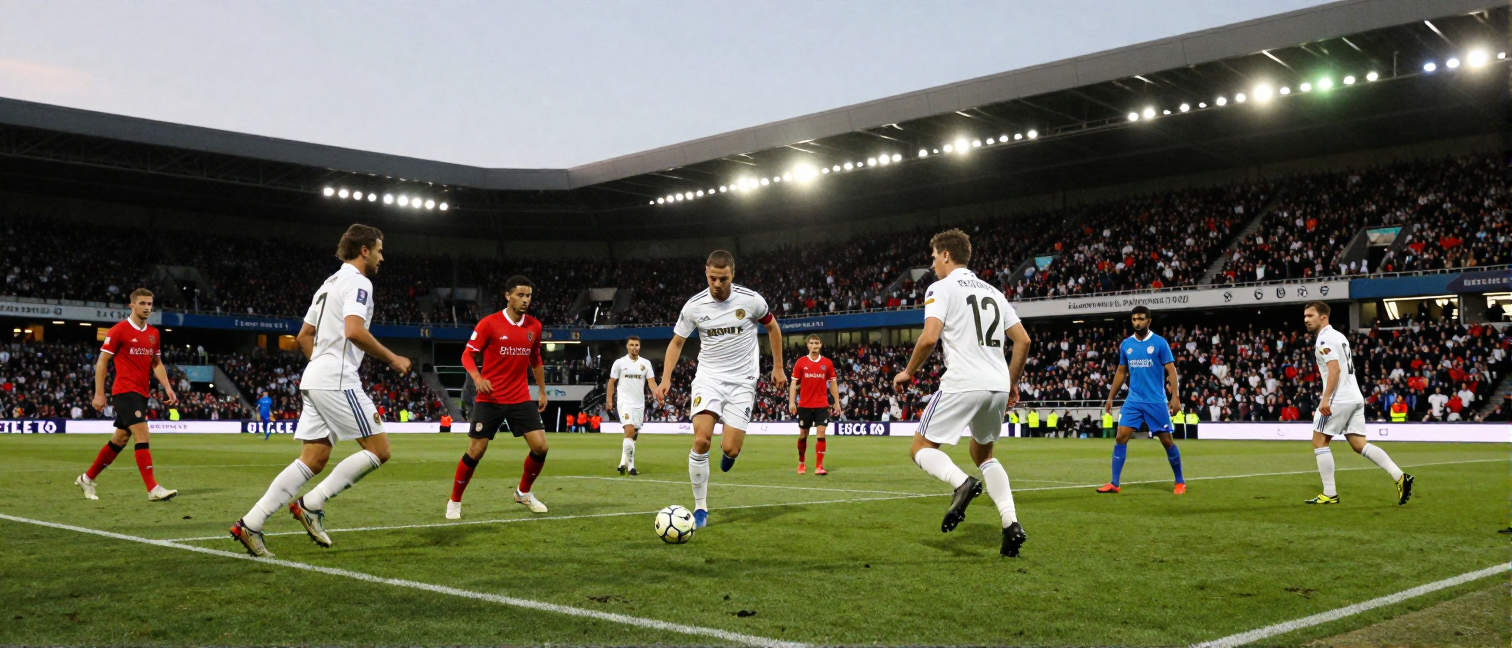

The All Whites have shown promise in their recent matches, demonstrating both resilience and skill. However, a closer look at their tactical setup reveals nuances that could be improved to maximize their effectiveness as they head into the FIFA World Cup 2026. With a blend of solid defensive structure and attacking potential, New Zealand must make specific tweaks to optimize their performance on the global stage.
Current Tactical Setup
In their previous fixtures, the All Whites have primarily employed a 4-2-3-1 formation, which has allowed them to maintain a strong midfield presence while providing width through their wingers. The double pivot in central midfield has been effective in breaking up opposition play and transitioning from defense to attack. However, the execution has sometimes faltered, leading to an over-reliance on individual brilliance rather than cohesive team play.
Midfield Dynamics
One area that warrants attention is the interplay between the midfielders. While the current pairing has provided stability, introducing a more dynamic third midfielder could enhance their attacking fluidity. A player capable of making late runs into the box could create additional goal-scoring opportunities, thus relieving some pressure off the forwards. This slight shift to a 4-3-3 formation, while still maintaining a solid base, can help in controlling possession and ensuring that the midfield can effectively support both defensive duties and offensive transitions.
Defensive Cohesion
Defensively, the All Whites have generally been organized, but there have been moments of vulnerability, particularly against teams with high pressing. To combat this, a tweak in the defensive line's positioning could prove beneficial. Encouraging the centre-backs to step forward and engage attackers higher up the pitch could disrupt the opposition’s build-up play, allowing New Zealand to regain possession in advantageous areas. Additionally, ensuring full-backs maintain a disciplined role in supporting both the attack and defense can prevent gaps from forming when transitioning between phases.
Wing Play and Width
Utilizing the width provided by the wingers has been a strong point for the All Whites; however, there are opportunities to exploit it further. The current wingers often tend to cut inside, which can become predictable. Encouraging them to stay wide and stretch the opposition defense could create more space for overlapping runs from the full-backs. This tactical adjustment not only enhances the attacking threat but also helps in stretching the opposition, thereby creating gaps for central players to exploit.
Set-Piece Strategy
Set-pieces have long been an underutilized aspect of the All Whites' game plan. With the right personnel, they can turn these situations into scoring opportunities. A focused approach to set-pieces - both defensively and offensively - could prove pivotal. Training sessions should prioritize rehearsed routines that take advantage of the height and physicality of players, particularly during corners and free-kicks. By introducing varied routines and ensuring players understand their roles during these situations, New Zealand can significantly increase their goal-scoring potential.
Conclusion
As the All Whites gear up for the World Cup, the potential for tactical refinement is evident. By enhancing midfield dynamics, reinforcing defensive cohesion, optimizing wing play, and capitalizing on set-pieces, New Zealand can transform their promising performances into tangible results. With these adjustments, the All Whites can approach the World Cup 2026 not just as participants, but as serious contenders ready to leave their mark on the global stage.