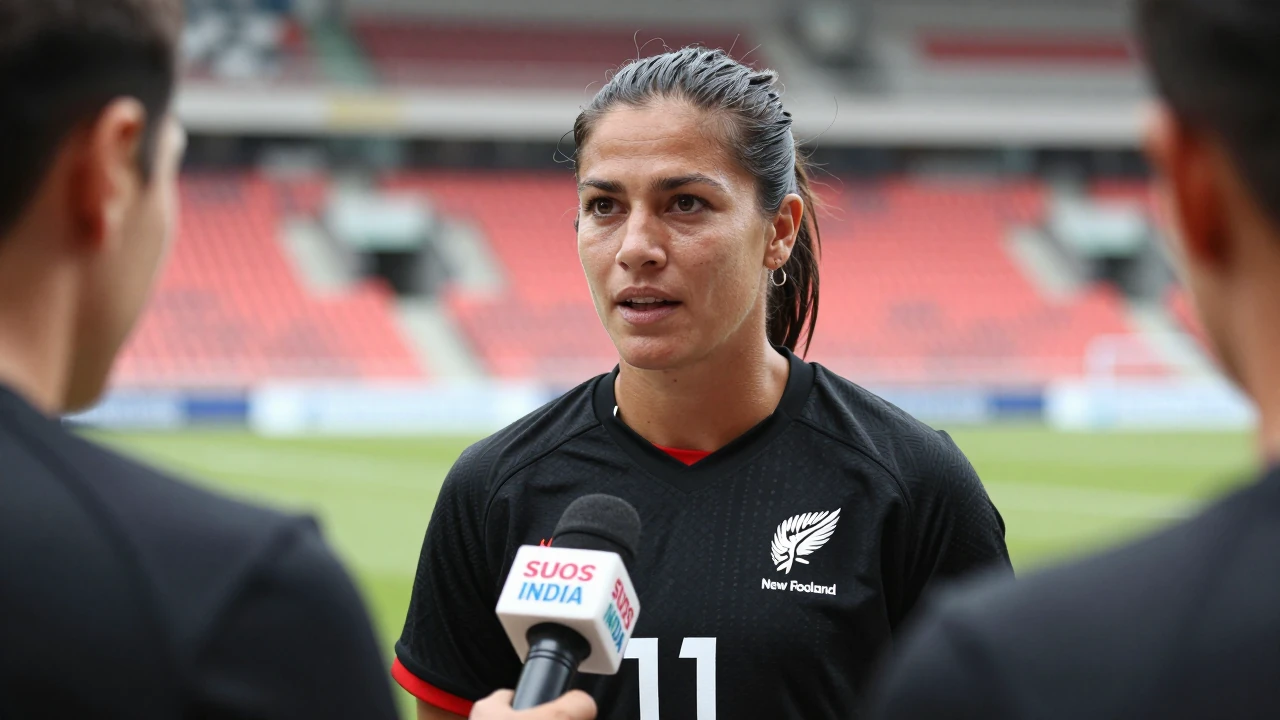

Analyzing Recent Form
The All Whites have shown promise in their recent outings, yet inconsistencies remain prevalent, particularly in the midfield and defensive transitions. Their last few matches have highlighted a tendency to struggle against high-pressing teams, often leading to lost possession in critical phases. This has exposed the backline, making it imperative for the coaching staff to address these vulnerabilities ahead of the World Cup.
Midfield Dynamics
One of the most noticeable tactical issues has been the midfield's inability to maintain possession under pressure. While New Zealand has talented players capable of creating chances, their spacing and movement off the ball often leave gaps. A more fluid 4-3-3 formation could be beneficial, allowing for a three-man midfield that can support both defensive duties and attacking transitions. This setup would enable the central midfielders to apply pressure and reclaim possession more effectively, while also providing the necessary support for the strikers.
Defensive Structure
Defensively, the All Whites have relied heavily on their center-backs to cover for lapses in midfield. To enhance their defensive solidity, a shift to a back three could be considered, particularly against teams known for their speed and counter-attacking prowess. This would enable the wing-backs to push forward and provide width, while the three central defenders can manage aerial threats and maintain a more compact shape. Additionally, implementing a zonal marking system during set-pieces would minimize the risk of conceding goals from dead-ball situations.
Pressing and Counter-Pressing
Another area requiring attention is the team's pressing strategy. Currently, the All Whites tend to press sporadically, which can leave them vulnerable if the initial press is bypassed. A more coordinated pressing effort, where the forwards and midfielders move in unison, could disrupt the opposition's build-up play. Instilling a philosophy of counter-pressing upon losing possession can help New Zealand recapture the ball quickly, avoiding prolonged defensive phases and allowing for quick transitions into attack.
Attack: Creativity and Finishing
In attack, the All Whites have demonstrated flashes of creativity, but often lack the clinical edge needed to finish chances. It’s crucial for the coaching staff to develop specific drills focusing on finishing and decision-making in the final third. Encouraging players like Chris Wood to engage more with midfield runners can create overloads in the attacking zones, providing more options and opening up space. Furthermore, incorporating varied attacking patterns, such as overlapping runs from the full-backs, can stretch defenses and create goal-scoring opportunities.
Conclusion: Path to Success
With the FIFA World Cup 2026 on the horizon, the All Whites stand at a crucial juncture. By implementing these tactical adjustments-enhancing midfield cohesion, solidifying defensive structures, refining pressing strategies, and sharpening their attacking prowess-New Zealand can position themselves as a competitive force on the world stage. The upcoming friendlies will be pivotal in testing these strategies and ensuring the All Whites are ready to make a significant impact in their World Cup campaign.