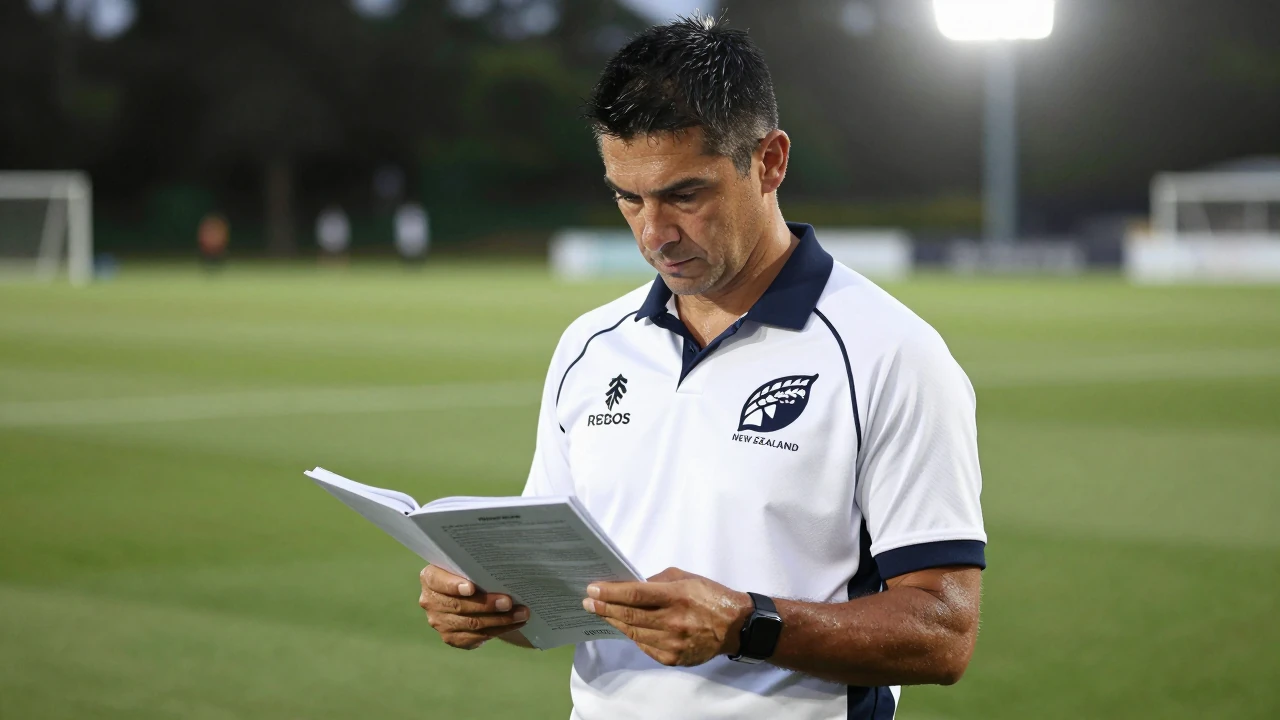
A Focused Approach to Squad Selection
In a surprising yet strategic decision, Darren Bazeley, the head coach of the All Whites, has chosen not to name an extended squad ahead of their crucial preparations for the FIFA World Cup 2026. This approach signals a clear intent to foster team cohesion and streamline preparations as they head to Florida for a series of warm-up matches. By keeping the squad tight, Bazeley aims to create a strong unit capable of delivering results on the world stage.
Why Only 26 Players?
Bazeley's choice to limit the squad to 26 players rather than selecting a larger pool reflects a calculated decision rather than an oversight. The focus on a smaller group allows for more tailored training sessions, ensuring that each player receives adequate attention and integration into the team's tactical framework.
- Team Cohesion: A smaller squad enhances chemistry among players, crucial for success in high-pressure situations.
- Tactical Clarity: Fewer players allow for a more concentrated tactical focus, enabling the coaching staff to refine strategies effectively.
- Injury Management: By selecting a core group, Bazeley can better manage training loads and minimize the risk of injuries.
Bazeley's confidence in his 26 players suggests he believes they possess the necessary skills and mindset to compete effectively against their opponents. This approach contrasts with traditional methods of squad selection, which often include a larger pool of players to account for injuries and form fluctuations.
Implications for Team Dynamics
The decision to name a limited squad has significant implications for team dynamics. By choosing to work closely with a select group, Bazeley fosters an environment where players can develop strong interpersonal relationships, crucial for effective communication on the pitch. This is especially important as the All Whites prepare for a competitive international stage where teamwork can be the difference between success and failure.
Moreover, the focus on a core group allows Bazeley to instill a unified vision and philosophy. Each player understands their role and responsibilities, which can enhance overall performance during matches. The upcoming training camps will be vital for reinforcing these concepts, with sessions designed to emphasize collective tactics and individual roles within the team.
Assessing the Competition
As the All Whites prepare for the FIFA World Cup 2026, they will face stiff competition from various international teams. The choice to narrow the squad suggests that Bazeley is confident in the capabilities of his players to rise to this challenge.
Key upcoming fixtures will test the mettle of the All Whites: - Opponent A: A match against Opponent A could serve as a litmus test for the team's preparation. - Opponent B: Facing Opponent B will provide insights into how well the squad can adapt to different playing styles.
Bazeley’s strategy will have to consider not only the abilities of his players but also the tactical nuances of their opponents. This preparation phase is crucial for assessing the squad's readiness and making any adjustments as necessary.
Fan Engagement and Reactions
The All Whites' decision to limit the squad has not gone unnoticed by fans, many of whom are eager to see how this strategy unfolds. Supporters have expressed mixed feelings; some appreciate the focus on a unified squad, while others worry about the lack of opportunities for fringe players to stake their claim for a spot.
- Positive Feedback: Many fans believe that a cohesive group will lead to better performances.
- Concerns: Others worry that this approach may limit the chances for emerging talent to shine before the World Cup.
Fan forums and social media platforms have been abuzz with discussions about the squad's potential and the implications of Bazeley's choices. This engagement highlights the passion and commitment of the New Zealand football community as they rally behind their national team.
Looking Back: Previous Campaigns
Historically, New Zealand has faced challenges in international competitions. The All Whites have had moments of glory, such as their performance in the 2010 FIFA World Cup, where they managed to secure a draw against Italy. However, the path to the World Cup has often been fraught with difficulties, including qualification battles and injuries.
Bazeley’s decision to focus on a core group aligns with a broader trend in international football where coaches lean toward established players who can deliver under pressure. This contrasts with past strategies where larger squads were selected to accommodate for uncertainties. By concentrating on a select group, Bazeley aims to build upon the lessons learned from previous campaigns, ensuring the All Whites are well-prepared for the challenges that lie ahead.
What’s Next
As the All Whites gear up for their training camp in Florida, the focus will be on integrating their tactical framework and building team chemistry. Bazeley's strategy will be put to the test as they face formidable opponents in the lead-up to the FIFA World Cup 2026. The coming weeks will be crucial for assessing player fitness, cohesion, and adaptability, setting the stage for what promises to be an exciting campaign.
With the World Cup fast approaching, fans will be watching closely to see how Bazeley's focused approach pays off. The All Whites have the potential to make a significant impact on the global stage, and the decision to limit the squad may just be the catalyst they need to achieve greatness.